Choosing a hot water system is usually a conversation about type, capacity and running cost. Those all matter, and they are what every comparison online is about.
In a walk-up there is a prior question that almost never gets asked until the day of installation. There is no lift and no basement, so the new unit goes up an external stair and the old one comes down the same stair. That is not a detail. It shapes what is practical, what it costs, and occasionally what is possible at all.
In a six-pack everything bulky arrives and leaves by the stair. That affects which unit suits, how the job is priced, and how long the water is off. Establish where the unit actually sits, what the stair and the landing will take, and whether a lighter or wall-mounted option is available, before anything is ordered rather than on the morning it arrives.
- Establish where the existing unit is and how it was originally got there
- Look honestly at the stair, the turns and the landing
- Ask whether a lighter or wall-mounted option is practical
- Expect the removal of the old unit to be part of the job, not an afterthought
- Confirm anything on common property is agreed before the day
On this page
1. What a walk-up actually is, from a plumber's side
Two or three storeys, no lift, no basement, and a stair that was designed for people carrying shopping rather than for trades carrying equipment.
That is the entire constraint. It is not dramatic and it is not a reason anything cannot be done. It simply means that the physical logistics of a job are a real part of it rather than an assumption, and a quote that ignores them is describing a house with a driveway.
The stock across these suburbs is roughly fifty to sixty-five years old, so a good proportion of these units are on their second or third hot water system. Somebody has been up and down that stair before, and how they did it is genuinely useful to know.
In a block of six, somebody has replaced a unit in the last decade. What they chose and how it got in is the most useful information available and it is free.
2. What to actually look at before you choose
- Where the existing unit sits: inside, on a landing, on an external wall, in a cupboard.
- The stair itself: how many flights, and whether there are turns or half-landings.
- The width at the narrowest point, which is usually a turn rather than the run.
- Whether there is any handrail or fixture that reduces the effective width.
- What the doorway into the flat will take.
- Where a van can stop, and how far that is from the bottom of the stair.
Six things, ten minutes, and they decide whether a particular unit is a straightforward swap or a genuinely awkward one. Far better answered before an order is placed than on the morning a delivery arrives.
3. How it changes what suits
The technical comparison between system types does not change in a walk-up. What changes is how much weight the practical side of it carries.
- Storage units are heavy and awkward, particularly the larger ones, and both the new one and the old one have to make the trip.
- Continuous flow stores nothing, which makes it a lighter, wall-mounted proposition. Whether it suits depends on gas reaching the flat and on a compliant flue position, both of which are worth checking before it is chosen rather than after.
- Where the unit goes is frequently constrained, because in a flat there are few places it can sensibly sit and the existing position is often the only one.
- Anything on an external wall touches common property, which brings the owners corporation into it. That is one line rather than the story, and it is worth raising early.
Sydney's water is soft, so if the existing unit has failed the cause is usually a spent anode or a failed element rather than scale. That is worth establishing before anybody carries anything anywhere, because a repair avoids the stair entirely.
4. The cheapest answer is often no stair at all
It is worth stating plainly: the least disruptive outcome in a walk-up is a repair, and a meaningful proportion of hot water failures here are repairs.
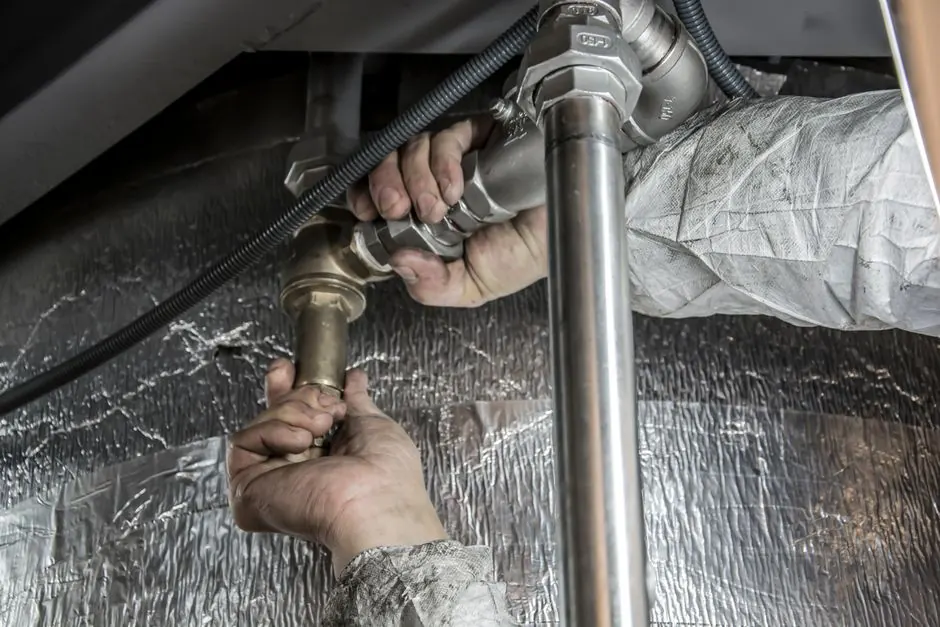
An element, a thermostat, a valve or a spent anode are all jobs done where the unit stands. Nothing comes up the stair, nothing goes down it, and the flat has hot water again the same day.
So the sensible sequence is diagnosis first, with the compliance plate read and the actual age established, and only then a conversation about replacement. Anybody quoting a replacement without having diagnosed it is skipping the step most likely to save you the whole exercise.
Hot water out in a walk-up?
We will diagnose it before anybody talks about carrying anything up a stair.
5. What to sort out before the day
- Confirm the access route and that nothing is stored on the stair or the landing.
- Confirm where the van can stop and whether anything needs to be moved.
- Confirm how long the water will be off, and tell the other owners if it affects them.
- Confirm the old unit is being taken away, not left on a landing.
- If anything touches common property, confirm it is agreed before the day rather than discovering it on the morning.
- Confirm the compliance paperwork is coming and where it will be kept.
None of that is exotic. It is the difference between a straightforward morning and a block-wide irritation, and in a building where six households share one stair the second one is worth avoiding.
6. While somebody is already up there
Access is the expensive part of most jobs, and in a walk-up that is more true than usual. So it is worth thinking about what else is reachable while a plumber is in the flat with tools.
- The flexible hoses under every sink and basin. Cheap, quick, and the single most damaging thing when one fails.
- The isolation valves, checked to make sure they actually turn.
- Any tap that has been dripping and been tolerated.
- The relief valve on a storage unit, if one is staying.
That is not upselling, it is arithmetic. A separate visit for a twenty minute job in a third floor flat costs more in access than in work, and doing it while somebody is already there is simply cheaper.
- A walk-up has no lift and no basement, so everything bulky goes up and down an external stair.
- Measure the narrowest point, which is usually a turn or a landing rather than the run.
- Storage units are heavy both ways; continuous flow is lighter but depends on gas and the flue.
- Soft water means a failed unit here is usually an anode or an element, so diagnose first.
- A repair avoids the stair entirely, which in these blocks is the cheapest possible outcome.
- Access is the expensive part, so deal with hoses and valves while somebody is already there.
Up the stairs, no lift FAQs
Can a hot water unit really not fit up the stairs?
It is rare for nothing to fit, and common for a particular unit to be awkward. The point is to establish that before it is ordered, because a delivery that will not go up a turn on the first landing is an expensive way to find out.
Is continuous flow better in a walk-up?
Frequently more practical, because it stores nothing and mounts on a wall. Whether it suits depends on gas reaching the flat and on a compliant flue position, and the flue may touch common property. Worth checking before choosing.
Who takes the old unit away?
It should be part of the job and it is worth confirming. An old storage unit left on a landing in a block of six is a problem for five other households.
Do I need the owners corporation involved?
For work inside your own flat, generally not. For anything that touches an external wall or common property, yes, and raising it early is far easier than unwinding it. That is one line here rather than the whole story.
My hot water has failed. Is it definitely a replacement?
Not necessarily, and in soft water a good proportion of failures are an element, a thermostat or a spent anode. Get it diagnosed and the compliance plate read before anybody prices a new unit.
How long will the water be off?
It depends on the job, and it is worth asking specifically because in a block it may affect more than your flat. Telling the neighbours in advance costs nothing and prevents most of the friction.